- Overview
- PRODUCTS
- 3M™ VHB™ Tapes
- 3M™ Scotch-Weld™ Structural Adhesives
- Adhesive Transfer Tapes & Double Coated Tapes
- Spray Adhesives
- Reclosable Fasteners
- Adhesive Sealants
- Foam Tapes
- Hot Melt Adhesives
- View All Products
- Applications
- Large Surface Lamination
- Sealing Encapsulating
- Small Joint Assembly
- Gasket Attachment
- Mounting Trim Attachment
- Panel-to-frame/Stiffener-to-Panel
- View All Applications
- Industries
- General Industries
- Construction
- Metal Fabrication
- Signage Solutions
- Transportation Industry
- Appliances
- RESOURCES
- Science of Adhesion
- Benefits of Adhesive
- How Does Adhesion Work
- Adhesive Bond Strength
- Automated Manufacturing with Adhesives and Tapes
- View All
- SUPPORT

3M™ Scotch-Weld™ Structural Adhesives
Structural Adhesive solutions for any bonding and assembly challenge.
Markets
-
 Aerospace
- Available in UL94 or FST compliant options
- Strong, yet flexible bond lines
- Battery and crash box bonding (PDF, 3.49 MB)
-
 Electronics
- Low halogen formulations available to meet customer needs
- Fast cure to speed production
- Durable adhesive bonds protect sensitive electrical connections from the environment
- Battery bonding (PDF, 3.49 MB)
-
 HVAC
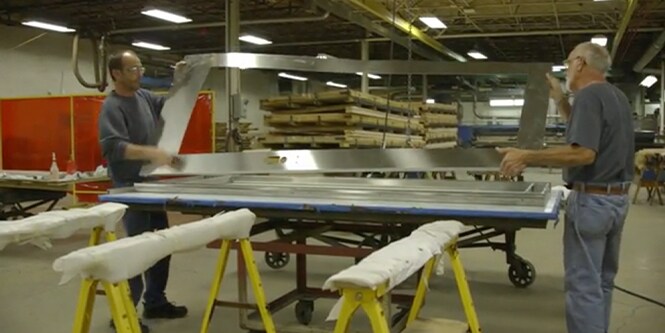
HVAC- Floor panel and drain pan to frame
- Side wall panel attachment to frame
- Stiffener to panel
Key Chemistries:
Acrylic -
 Signage
- One adhesive to bond all of your substrates
- Strong formulations and thin bond lines
- Weather resistance
- UL recognition
Key Chemistries:
Acrylic -
 Specialty Vehicle
- Weight reduction
- High strength
- Vibration & fatigue resistance
- Battery bonding (PDF, 3.49 MB)
-
 Transportation
- Metal skin to metal frame
- Composite cab assembly
- Frame assembly
- Floor panel bonding
- Exterior panel bonding
- Roof bonding
- Battery bonding (PDF, 3.49 MB)
Key Chemistries:
Acrylic




All our structural adhesives offer the strength you need, without the weight you don’t, so you can reduce or replace mechanical fasteners.
All our structural adhesives offer the strength you need, without the weight you don’t, so you can reduce or replace mechanical fasteners.
Structural adhesives bond dissimilar materials and also provide insulation to resist corrosion when bonding two different metals.
Structural adhesives bond dissimilar materials and also provide insulation to resist corrosion when bonding two different metals.
Different chemistries provide a variety of surface preparation, open time and strength-build times so you can find the best options for your process.
Different chemistries provide a variety of surface preparation, open time and strength-build times so you can find the best options for your process.
Depending on the chemistry, structural adhesive bonds provide the strength or flexibility to resist shock, vibration and impact loads.
Depending on the chemistry, structural adhesive bonds provide the strength or flexibility to resist shock, vibration and impact loads.
Adhering to new materials and distributing stress along the entire bond area helps designers use thinner and lighter materials.
Adhering to new materials and distributing stress along the entire bond area helps designers use thinner and lighter materials.
Adhering to new materials and distributing stress along the entire bond area helps designers use thinner and lighter materials.
Adhering to new materials and distributing stress along the entire bond area helps designers use thinner and lighter materials.
Structural adhesives provide better product appearance through invisible joints and smooth bond lines.
Structural adhesives provide better product appearance through invisible joints and smooth bond lines.
Types of 3M™ Scotch-Weld™ Structural Adhesives
Fast, easy adhesion with excellent bonding strength
- Significantly improve throughput and productivity with reliable long-term bonding of dissimilar substrates
- Withstand extreme temperatures
- Applies easily
- Builds strength rapidly
- Resists impact and peel stresses
- Replace metal fasteners for the process of static and dynamic loads
- Bonds most plastics, aluminium, steel and oily metal surfaces
- Non-flammable classifications and low odor formulations available to improve working environments
See 3M™ Scotch-Weld™ Acrylic Adhesives in action


The standard for strength, durability and outdoor weathering
- Durable in demanding conditions, including outdoor weathering, many solvents and other conditions
- Continuous bond lines to prevent the migration of fluids, dust and dirt
- Bond a wide variety of substrates - attain the freedom to design with the best materials available
- Exceptional resistance to shock, vibration, and impact loads
- Adhering to new materials and distributing stress along the entire bond area helps designers use thinner and lighter materials
- Vibration resistance reduces opportunities for unwanted noise
- Enhanced aesthetics through invisible joints and smooth bond lines
One-Part Epoxies – One-part epoxy adhesives eliminate metering and mixing but require heat to cure, with newer formulations curing at lower temperatures than older versions.
Two-Part Epoxies – Two-part epoxy adhesives begin curing when the two components are mixed and offer different performance characteristics depending on the formulation.
Structural strength with hot melt speed
- Combines the initial speed of a hot melt adhesive with the strength of a structural adhesive
- Resistant to temperature extremes
- Flexible enough to provide vibration and impact resistance
- Range of open times that can be adjusted to suit your process
- Low to no Volatile Organic Compounds (VOCs)
- Bonds well to metals, glass, ceramics, wood and some plastics such as polystyrene and polyacrylic
- Excellent candidates to help improve throughput and reduce processing time
See 3M™ Scotch-Weld™ PUR Adhesives in action


Strong bonds that bend but don’t break
- Two-part formulations that react when mixed and do not require moisture to cure
- Relatively flexible when cured for excellent impact and vibration resistance
- Bond well to most plastics, wood, concrete and rubber
- Combines flexibility and the ability to form strong bonds to a variety of substrates
- Bonds dissimilar materials
Protection against fluid migration
- One-part adhesives that cure on active metal surfaces in the absence of oxygen in the bond line
- Reduce maintenance and leakage to help keep factories running efficiently
- Bonds dissimilar materials and provides insulation to resist corrosion when bonding two different metals
- Strong bonds that resist both direct force and extended periods of vibration
- NVH - stiff bonds resist vibration and reduce opportunities for loose parts to make unwanted noise
- Pipe sealants inhibit leaks by preventing fluids from migrating along threaded fittings
Apply, hold, done – it’s as easy as that
- Instant adhesives are cyanoacrylates and cure very rapidly
- One-part products that cure by reacting with moisture
- Require very little clamping time
- Reaches handling strength in a matter of seconds
- Designed for processes with high strength requirements for a small bond area, tight-fitting joints, and a need for rapid curing
- Different formulations are able to bond to many different materials including metals, leather, paper, elastomers, engineered plastics and some Low Surface Energy (LSE) plastics
5 Structural Adhesives Myths Disproved
Learn how you can breeze past industry myths and challenges, and which 3M™ Scotch-Weld™ Structural Adhesives we recommend to use while doing it.


Myth #2: Holding Pieces Together is All That Matters
Disproved: Proper Planning Can Improve Performance
- A good bond requires looking at more than just parts and a joining method
- Consider the entire process and operating conditions
- Structural adhesives help you address production challenges such as:
- Shortening the overall cycle time
- Reducing levels of work in progress
- Lowering the rate of reworked or scrapped parts - 3M Structural Adhesives provide an assembly solution that requires relatively little training and can be optimized for consistent results
- Structural adhesives can also help you meet design challenges such as:
- Lightweighting
- Incorporating new or difficult-to-bond materials
- Harsh end-use conditions such as heat, cold, humidity, or harsh chemical environments
Featured Products
- 3M™ Scotch-Weld™ Low Odor Acrylic Adhesive DP810NS


Myth #3: “I Tried One so I’ve Tried Them All”
Disproved: Different Adhesives Offer Different Properties
Certain issues may have hindered your structural adhesives’ effectiveness:
- Surface preparation
- Dispensability or cure time
- End-use issues such as a poor match between the properties of the adhesive and the mechanical properties (modulus, elongation, etc)
- Environmental resistance
Because there are so many different structural adhesive chemistries and 3M has many options within each family, knowing the reason for failure can help guide the choice of a different solution. There are three main families of structural adhesives:
- Acrylic: Build strength the fastest
- Epoxy: Higher overall strength and superior environmental resistance
- Polyurethane: Provide energy absorption and vibration damping
Processing characteristics such as shelf life, rate of strength build and the amount of surface preparation required can also affect how well a structural adhesive works for a given assembly.
Myth #4: All Structural Adhesives are Epoxies
Disproved: Not All Structural Adhesives are Made the Same
Depending on the materials you’re bonding, the assembly process and end-use conditions, a structural adhesive from a different family may be more appropriate. 3M offers 20 chemistries and numerous specific products across these families, and we can help find the right option for you.
-

See page 4 of 5 Structural Adhesives Myths (PDF, 416.34 KB) for enlargment of the 3M Structural Adhesives wheel.
Contact us to reap the benefits of:
-
 40+ Years and 75+ Global Adhesive Specialists
 -
 35+ Global Application Engineers
 -
 3 Global Adhesive Solutions Labs

Different customers often bring up similar questions when they work with our adhesive experts. Here are some of the most common ones.
