-
Asbestos Awarenesss month - Unknowingly.
November 30, 2018Unknowingly...
-
As childhood sweethearts all we ever wanted was our dream home with a white picket fence, filled with our pigeon pair rug rats, a dog romping in the back yard and enough memories to last a life time and share with our grandchildren. By our fifth wedding anniversary we had saved enough for a deposit and purchased our little piece of paradise. Six years later, after saving every spare penny and now with 2 children and a dog in tow, we set about transforming our 1970’s suburban bungalow into the home of our dreams, just like they do on the reality television shows we had grown up on.
November is Asbestos Awareness Month, during this period we aim to help raise awareness about the dangers of asbestos and how best to manage it.
Shattered dreams...a new generation of sufferers
-
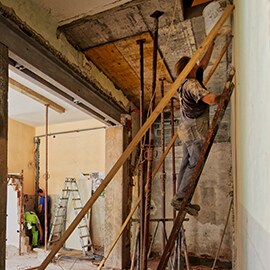
With our back log of DIY home renovations shows consumed, we embarked on our dream and mimicked the heroic actions played out on the big screen. We swung our sledge hammers, knocked down walls, tore down ceilings, drilled and sanded. Everyone had a job to do, even the kids helped out sweeping up the mess, covered in dust, while the trusty dog lay by our side in awe. After much blood, sweat and tears our labour of love was complete, our forever dream home had become a reality.
By chance we came across a newspaper, laughingly we flicked through the pages, we hadn’t read the news in printed form since we were teenagers. After all, as millennials, we consume our information digitally, swiping left and right, scrolling up and down. While flicking, we stumbled upon an article, the headline struck a chord: Rising DIY renovations leading to ‘third wave’ of asbestos disease. Alarmingly, after some research, we discovered that one in three homes built before 1985 contained asbestos and that it could pose a threat to this day if disturbed. I had heard some talk of asbestos as a child, however, I thought that was a problem that disappeared with the past generations.
“We live each day in fear, wondering what will happen to us
...only time can tell”We have since become aware of a developing demographic related to mesothelioma deaths, a disease related directly to asbestos, that includes a significant proportion of do-it-yourself home renovators and their families. In a cruel twist of fate, our ambitious dream turned into a nightmare. We have sought medical advice, but apparently asbestos related diseases can remain dormant for decades and the greater the exposure the more likelihood of mesothelioma developing. We lived through our renovation for a full year. Unknowingly, we have exposed ourselves, our children and our pets to the dangers of asbestos. We live each day in fear, wondering what will happen to us...only time can tell.
A real and present danger
To many, asbestos is a problem of the past, long gone amidst the cover ups and compensation payments of years gone by. However, due to the wide use of asbestos in an exhaustive range of products, many asbestos containing materials still remain in place today. As a result, tradespeople and home renovators are still at risk of exposure to the asbestos fibres in these materials. Much education is warranted to ensure everyone is aware of the real and present danger posed by asbestos, whether in the home or in the workplace.-
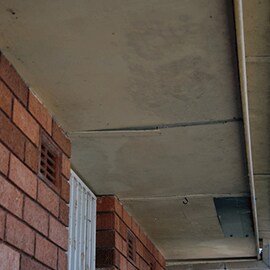
Asbestos in the home
With the rise in popularity of DIY home renovation reality TV shows the increase in weekend warriors tackling their own renovations and mimicking the on-screen celebrities has increased dramatically. Unfortunately, the dangers of asbestos are not expressed on screen, and few home renovators have the skills or knowledge to identify asbestos products or are even aware of the dangers they present. So much so that Peter Tighe, former Chief Executive Officer of the Asbestos Safety and Eradication Agency has written to a popular home renovation show asking them to provide warnings on screen for their viewers about the ever present dangers of asbestos. Below is some advice sourced from asbestosawareness.com.au about the importance of safely managing asbestos in and around the home:
- If your house was built or renovated before the mid 1980s, it is likely to contain asbestos cement building materials.
- Most people can’t tell whether building materials contain asbestos just by looking at them.
- Unless you take the required safety precautions and follow regulations, Don’t cut it! Don’t drill it! Don’t drop it! Don’t sand it! Don’t saw it! Don’t scrape it! Don’t scrub it! Don’t dismantle it! Don’t tip it! Don’t waterblast it! Don’t demolish it! And whatever you do… Don’t dump it!
- Only scientific testing of a sample of material by an accredited National Association of Testing Authorities (NATA) asbestos testing laboratory can confirm the presence of asbestos.
- Asbestos materials that are in good condition are unlikely to release asbestos fibres if left undisturbed.
- If asbestos materials are in good condition, paint them and leave them alone.
Asbestos in the workplace
Just as it is with residential premises, asbestos is still present in many workplaces and buildings built before the mid 1980’s. If you are an employer or business (or other PCBU), you are responsible for managing asbestos in the workplace. You have a legal duty to eliminate or reduce so far as is reasonably practicable the risk to anyone in their workplace of exposure to airborne asbestos fibres. SafeWork NSW provides the following summary:-
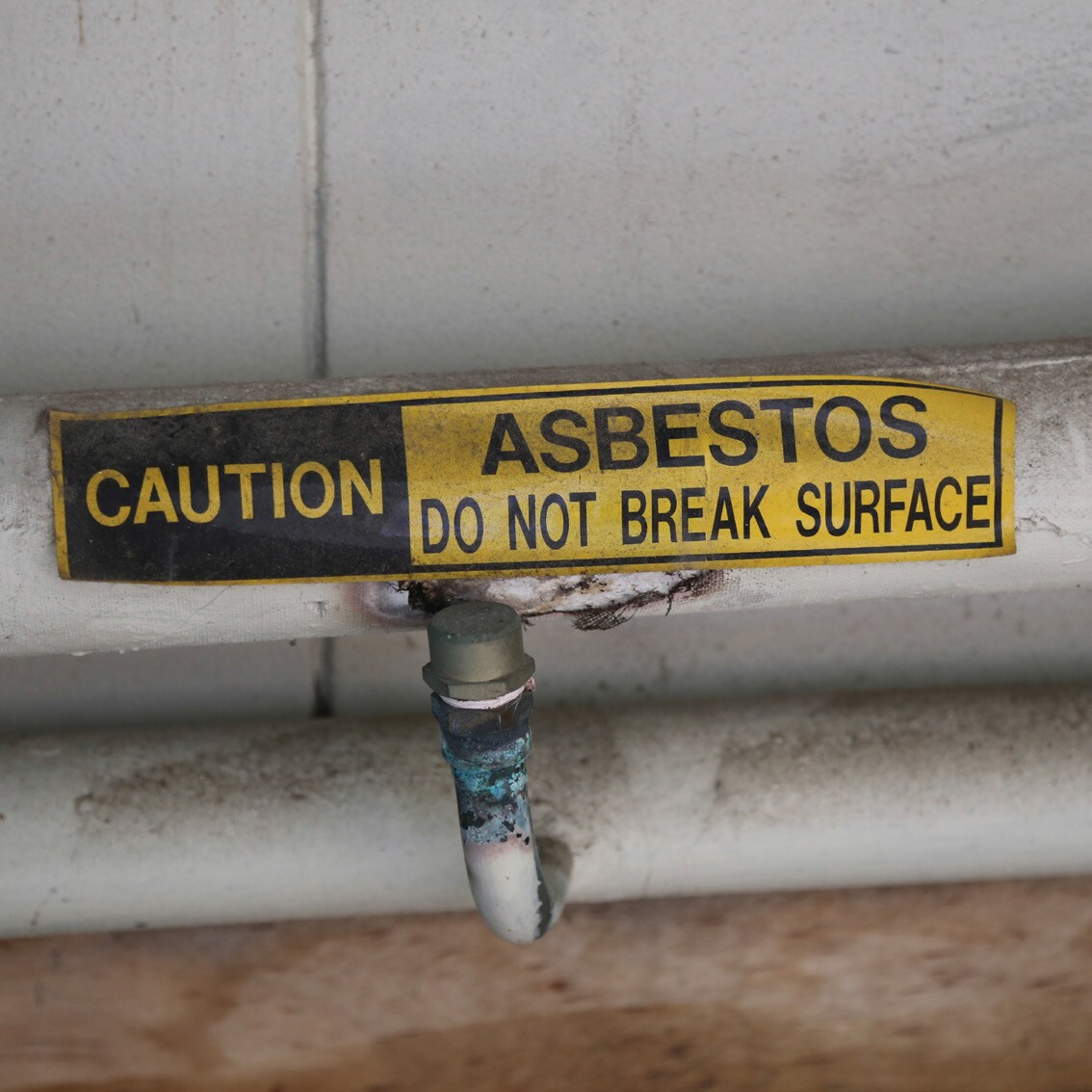
- Don’t allow your workers to work with asbestos, except under prescribed circumstances or until they are properly trained. Also, ensure the exposure standard for asbestos is not exceeded.
- Get a competent person, such as a licensed asbestos assessor, to inspect your workplace for asbestos. If unsure whether it is present, assume it is. If necessary, have a sample checked by a NATA-accredited laboratory. Once identified, make sure all asbestos is clearly labelled.
- If your workplace was built before 31 December 2003, you must keep a register that outlines when and where asbestos has been located, what type it is, and what condition it’s in. The register needs to be made available to anyone likely to be exposed to asbestos, kept up-to-date, and passed on to anyone who takes over management or control of the workplace.
- If asbestos has been identified at your workplace, you must prepare and maintain an asbestos management plan, regardless of whether the asbestos is naturally-occurring or from manufactured materials. The plan must be reviewed every five years and made available to anyone involved in work at the workplace.
- You must provide and pay for health monitoring for all those working with, or exposed to, asbestos.
- Your workers must be trained in identifying and handling asbestos safely, and understanding suitable control measures.
- When you’re working on or near asbestos, you must not use high-pressure water sprays or compressed air – and you must control the use of power tools, brooms or anything else that might release asbestos into the air.
- If you plan to demolish or refurbish a workplace, review the asbestos register first, then give the person conducting the work a copy of the register. If there is no register, get a competent person, such as a licensed asbestos assessor, to inspect the site for asbestos. You must identify all asbestos that is likely to be disturbed before demolition begins – and remove it.
Safety starts with you!
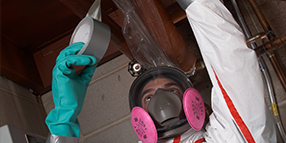
Asbestos is highly toxic, causing a range of lung diseases that are slow to develop but in many cases deadly. While the product has been banned and its use prohibited it is still prevalent and may be lurking where you least suspect it. Whether you work in the construction industry, handle insulation products, install roofs and tiles, manipulate clutch pads or are taking on ambitious home renovations, asbestos could pose a serious threat for your lungs and overall health. The removal of asbestos materials should always be performed by a licensed professional asbestos removalist. However, when renovating or performing maintenance around the home you may come across asbestos containing materials so it’s particularly important you use the correct Personal Protective Equipment at all times.When it comes to asbestos, Go Slow! Asbestos - it’s a NO GO! Visit www.asbestosawareness.com.au to learn what you need to know or reach out to a 3M Safety Specialist if you’re unsure of any aspect of PPE required to safeguard you against potential asbestos hazards.
Below is a selection of educational resources and product solutions related to asbestos awareness and safety.
Resources
Asbestos PPE Solutions
-
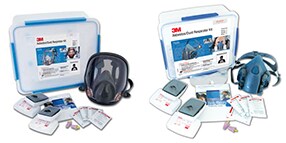
Asbestos/Dust Reusable Respirator Kits
Convenient respiratory kits designed for asbestos removal and environments containing dust. Kits come complete with either a full face or half face respirator, particulate filters, cleaning wipes and earplugs. Packed in a durable protective case that also aids decontamination practices. For full kit contents and details refer to:
Full Face Kit
Half Face kit -
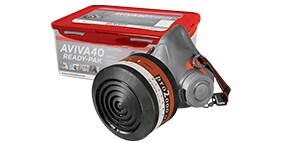
AVIVA 40 Half Face Ready-Pak
Complete respirator kit with AVIVA 40 half face respirator and a Pro2000 filter & Pre-filter. Packed in a convenient re-sealable storage container for mask and filter protection. Ideal for use in asbestos removal, dusty environments, light and heavy industries, agriculture and construction.
-
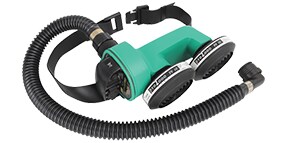
Powered Air Purifying Respirator
Lightweight and compact the Scott Safety Proflow SC 160’s ergonomic design incorporates a curved backplate which ensures user comfort even for long periods. Proflow SC 160 includes blower unit, battery, recharger, hose with DIN thread & padded belt, 160l/min. Suitable PAPR Face Mask options: Sari (FM2), Promask (FM3) and Vision (FM4) Full Face Masks.
References:
https://theconversation.com/why-the-health-threat-from-asbestos-is-not-a-thing-of-the-past-52060
https://www.smh.com.au/opinion/asbestos-ongoing-risk-from-home-renovations-20170829-gy6c0i.html
https://www.abc.net.au/news/2017-11-28/diy-renovations-leading-to-third-wave-of-asbestos-disease/9199578
https://www.smh.com.au/national/nsw/this-house-killed-me-diy-home-renovators-the-third-wave-of-asbestos-victims-20170531-gwh2x1.html
http://www.asbestosdiseaseawareness.org/
https://www.safework.nsw.gov.au/
https://asbestosawareness.com.au/ -