-
Science of Safety Podcast: Episode 27.
March 21, 2019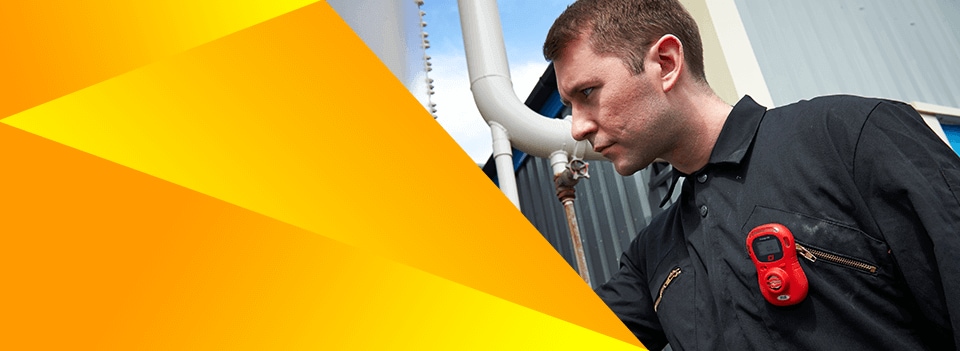
Science of Safety Podcast.
Episode 27:
Gas Detection in Confined Spaces.Science of Safety Podcast.
Episode 27:
Gas Detection in Confined Spaces.Science of Safety Podcast.
Episode 27:
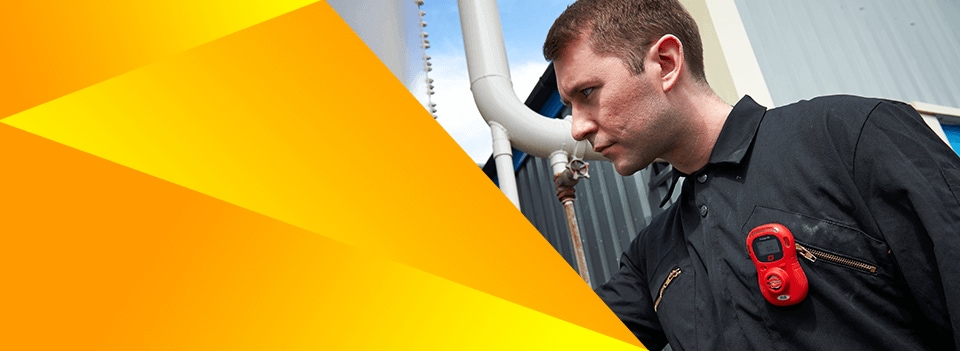
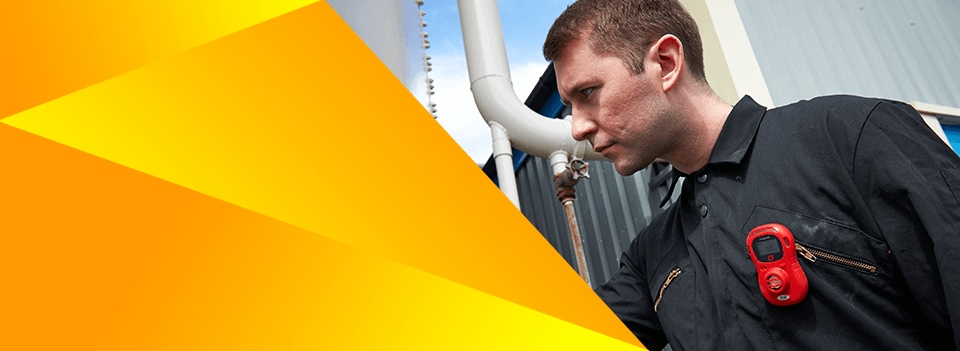
Gas Detection in Confined Spaces.In this episode Mark Reggers is joined by guest Kevin McComb, 3M’s Technical Services Manager for the Personal Safety Division in Australia and New Zealand to discuss gas detection in confined spaces.
Confined spaces present many unseen challenges, one of these is the potential for toxic atmospheric conditions within the space. Prior to entry, it’s vital that the atmosphere is tested to check the oxygen concentration and to determine the presence of hazardous fumes, gases and vapours, as well as the respective levels of these potential hazards.





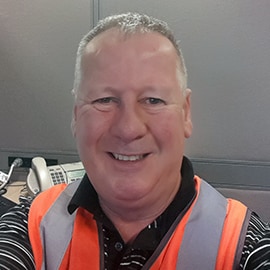
Guest Bio:
Kevin McComb (pictured left) has been actively involved in the safety industry for 34 years. Serving in the New Zealand Defense force as a rescue fire fighter before taking up a role in fire equipment sales for Tyco.
He transferred to the Scott Safety business in 2001 and managed key accounts. Kevin accepted a role in Australia as a Technical and training manager for Scott Safety in 2007. As a trainer and assessor he delivers courses in Scott Self Contained Breathing Apparatus and airline systems throughout the ANZ region.
His product responsibilities for 3M Australia include, Portable Gas Detection, Thermal Imaging and Self Contained Breathing Apparatus. Kevin supports an internal 3M/Scott Fire and Safety service team as well as an approved distributor network.
In this episode, Mark & Kevin discuss the following:
- What are the toxic atmospheres that are most commonly associated with confined spaces?
- How are these various atmospheric conditions monitored?
- Can the atmosphere be monitored without entering the confined space?
- How often should the atmosphere be monitored? At the start of the job? Sometimes during the job? The whole time during the job?
- How would a worker know if a gas monitor is working before they entered the confined space?
- What are the different types of gas detectors?
- When will a gas detector alarm? What should you do if it alarms while in the confined space?
- What are the limitations of gas detectors?
- What are the key take-aways around gas detection use in confined spaces?
Testing and monitoring of the atmosphere in a confined space by a trained competent person using a suitable, correctly calibrated gas detector is essential when confined space entry and occupation is required to determine appropriate control measures and the appropriate PPE selection. A person’s nose should never be used to determine if the air in a confined space is safe, many toxic or flammable gases and unsafe oxygen levels cannot be detected using one’s senses. Toxic atmospheres within confined spaces can be deadly, tune in and discover how the use of gas monitors can ensure safe entry, work and exit from confined spaces.
Additional Resources:
- Podcast Transcript
- Safe Work Australia – Confined Spaces
- SafeWork NSW – Confined Spaces
- QLD Workplace Health & Safety – Confined Spaces
- WorkSafe Victoria – Confined Spaces
- SafeWork ACT – Confined Spaces
- SafeWork SA – Confined Spaces
- WorkSafe NT – Confined Spaces Code of Practice
- WorkSafe WA – Confined Spaces
- SafeWork Tasmania
- Comcare – Confined Spaces
- WorkSafe NZ – Confined Spaces
- Australian Standard 2865 – Confined Spaces
- 3M Confined Space Plan and Prepare
Contact a 3M Safety Specialist at scienceofsafetyanz@mmm.com for more information.
